
We spoke in detail with Sompo Direct General Insurance Co., Ltd. about the background to their implementation of “BOTCHAN Engagement” and the results they have seen since its introduction.
Auto insurance is a product that, by its nature, can only be switched at the annual renewal date. There are few cases where a contract is concluded immediately after exposure to an advertisement, and there tends to be a certain period of time before the customer actually begins considering a new contract.
Among these, a major challenge for “Otona no Jidōsha Hoken” was how to maintain an ongoing relationship with users after they were exposed to our advertising. Although we had implemented various improvement measures such as LPO and EFO, they did not lead to a fundamental solution, and a new approach was required.
By introducing BOTCHAN Engagement this time, we were able to build ongoing touchpoints with users. Under a rigorous PDCA cycle, we improved PVCVR by a factor of 1.22 in the second month after implementation, successfully enhancing advertising efficiency.
We also asked in detail why BOTCHAN is regarded as offering an “unprecedented level of support,” as well as about future developments.
Yuichi Kojima, Senior Sales Specialist, wevnal Inc.
Misako Takada, CS Leader, and Akari Kajiwara, CS, “BOTCHAN Engagement”
To begin, could you please introduce your company’s business and yourselves?
SOMPO Direct General Insurance Co., Ltd. Marketing Department
Promotion Group Assistant Manager Masataka Suzuki (hereafter, Mr. Suzuki)
SOMPO Direct General Insurance Co., Ltd. is an insurance company responsible for the SOMPO Group’s direct non-life insurance business. We aim to be a “one and only insurance company” that each customer can choose with a genuine sense of confidence and satisfaction.
Our main product, “Otona no Jidōsha Hoken” (Auto Insurance for Adults), was launched in 2011. As an auto insurance product that allows customers to complete everything seamlessly online—from obtaining a quote to applying for coverage—it has been used by many customers.
We were the last to enter the industry. Over 14 years since launch, we have achieved steady growth and now hold the second-largest position in the market.
I am currently part of the marketing department, where I am involved in developing promotion strategies in the digital domain.
SOMPO Direct General Insurance Co., Ltd. Marketing Department
Promotion Group, Assistant Manager Hiroki Imai (hereafter, Mr. Imai)
Like Suzuki, I also belong to the Marketing Department.
I am involved in formulating overall promotional strategies, ranging from mass-media awareness initiatives focused on expanding sales of “Otona no Jidōsha Hoken” to performance-driven measures in the digital domain.
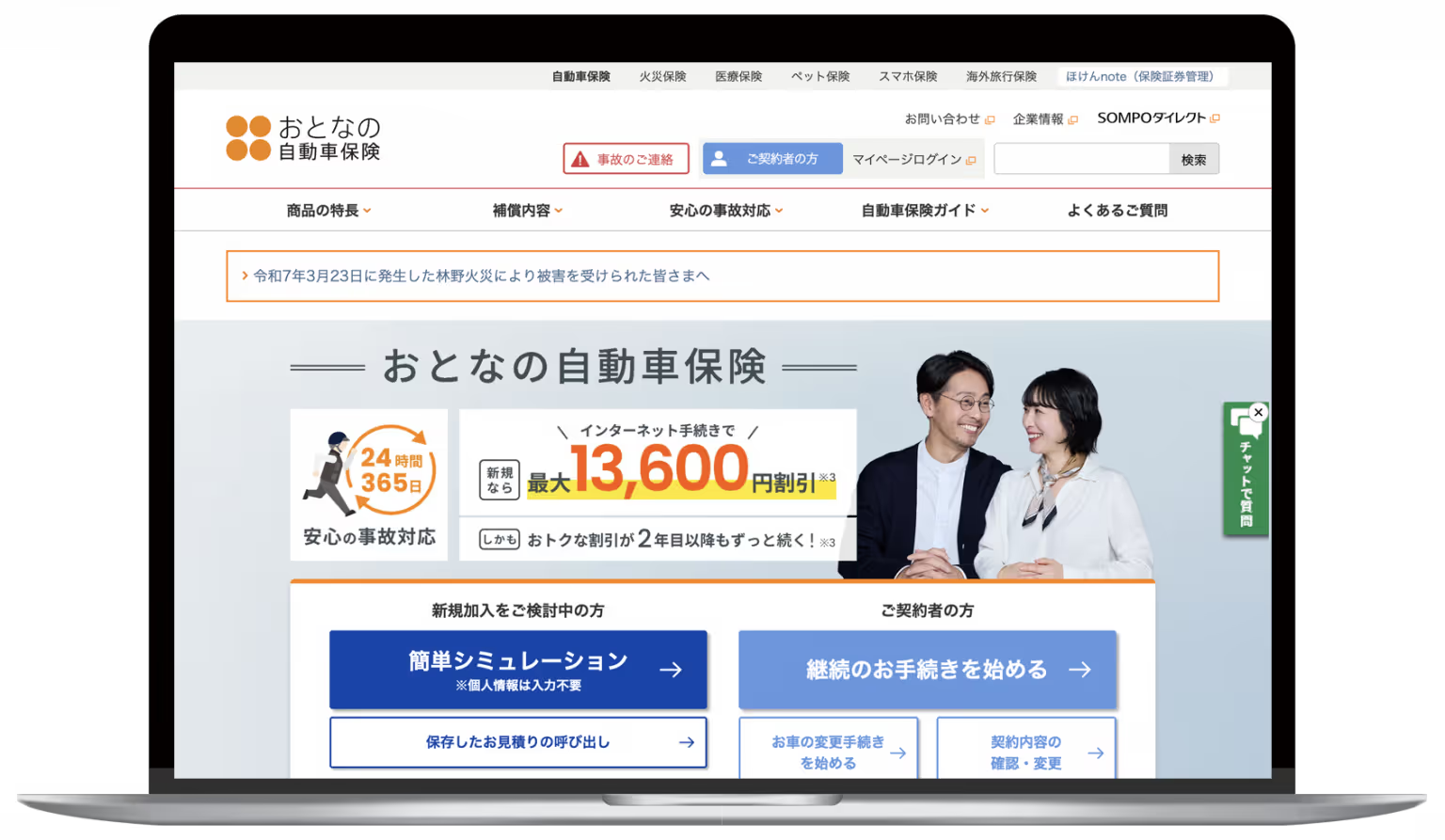
Otona no Automobile Insurance Service Site: https://www.sompo-direct.co.jp/
Kojima:
Thank you very much.
May I ask you about the KPIs?
Mr. Suzuki
Across the company, the number of contracts and the amount of premiums acquired are given high priority, but in the marketing domain we also treat “how many quotes were viewed” as an important KPI.
In addition, as awareness indicators, we measure items such as the number of branded searches and the number of site visitors generated through digital promotion initiatives.
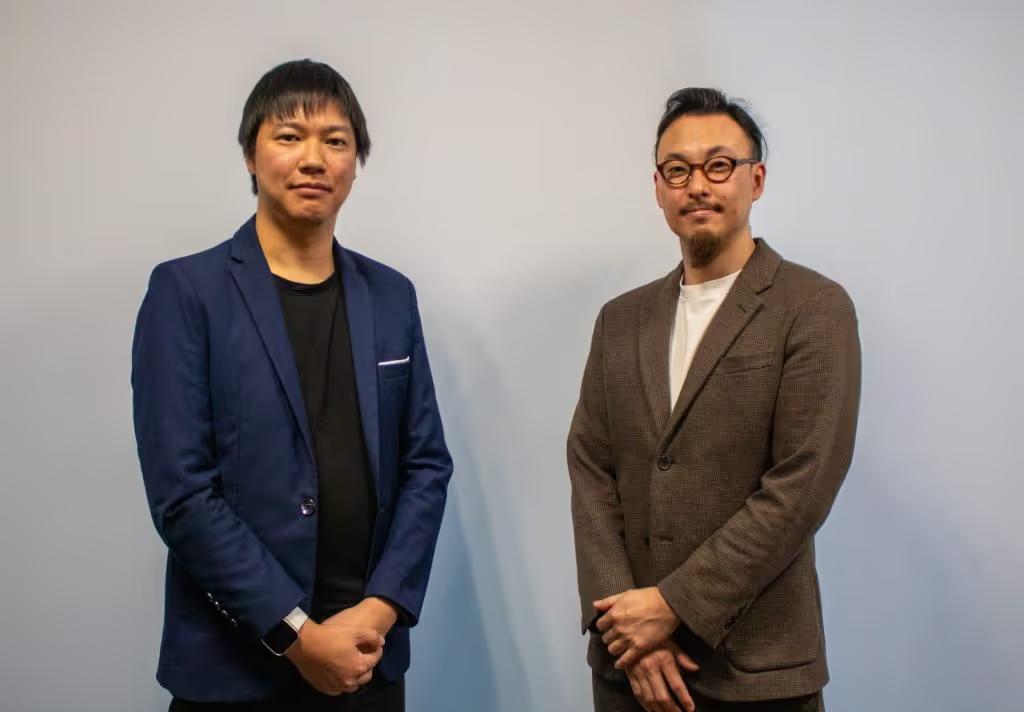
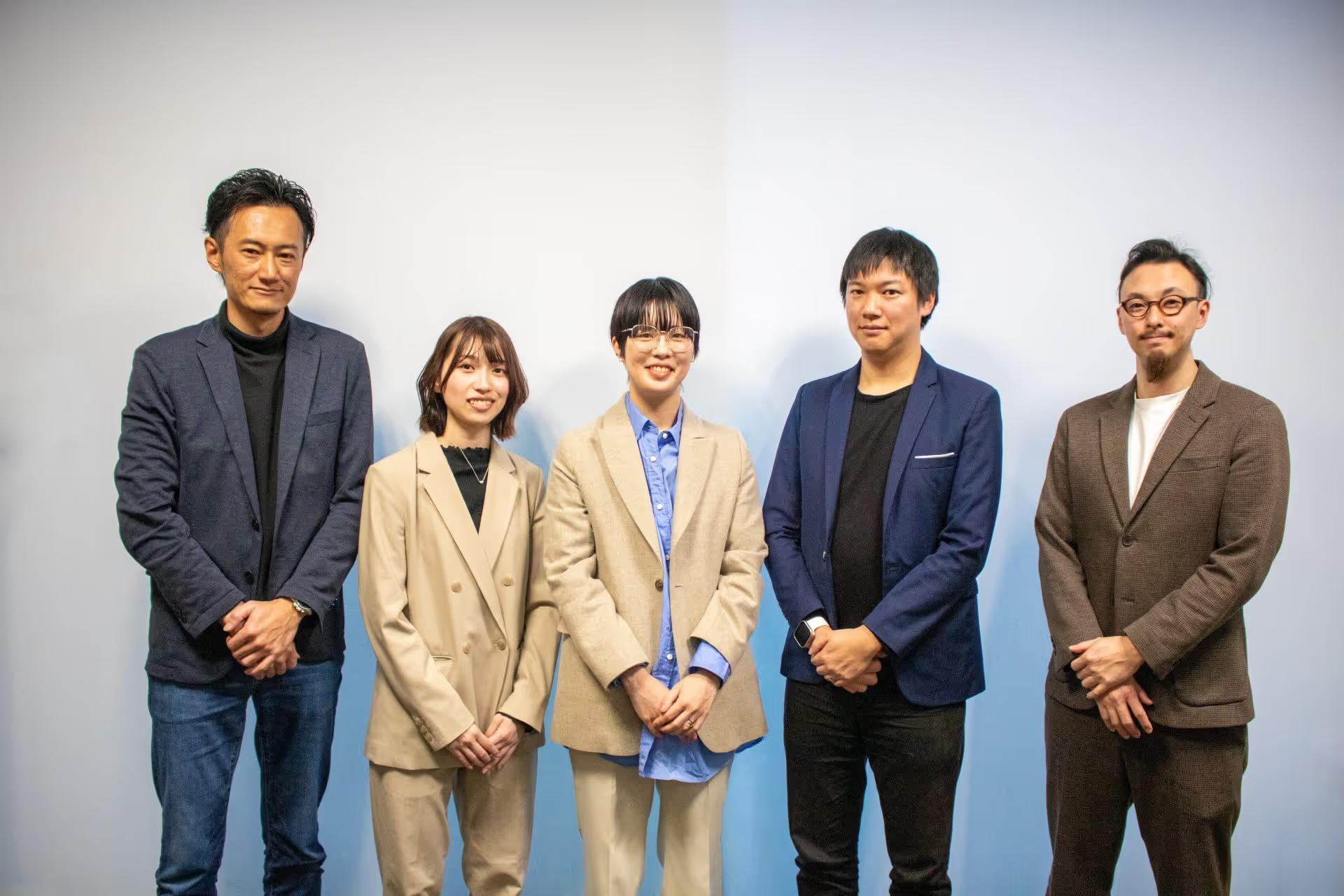
(From left) Mr. Masataka Suzuki, Assistant Manager, Promotion Group, Marketing Department, SOMPO Direct General Insurance Co., Ltd.; Mr. Hiroki Imai, Assistant Manager, Promotion Group, Marketing Department, SOMPO Direct General Insurance Co., Ltd.
Kojima:
Thank you very much.
Please tell me about the challenges you faced before implementing BOTCHAN.
Mr. Suzuki
In our digital promotions, we had been relying primarily on paid media, but we faced the challenge of a high drop-off rate from the ad landing page through to conversion (CV). Although we continuously implemented measures such as LPO (Landing Page Optimization) and EFO (Entry Form Optimization), due to the nature of insurance as a high-value, low-frequency product, users do not move immediately to contract. In addition, auto insurance is basically an annual contract, so the timing for switching contracts is limited to events such as policy expiry or vehicle replacement.
As a result, even when users who saw the ad were interested, there were many cases where a significant amount of time passed before they actually considered signing a contract.
Therefore, we believed it was necessary to adopt a method that maintains appropriate communication between the initial ad exposure and conversion, in order to keep prospective customers engaged.
Mr. Imai
That’s right.
Originally, we did have follow-up measures in place for users after they received a quote, but we had no way to communicate from our side with users who dropped off in the earlier stages.
As a result, our main approach was to repeatedly deliver ads to users who had left and get them to come back to the site. However, this method not only incurred advertising costs, but also meant that users were shown the same ads over and over, which we felt was inefficient.
We therefore believed we needed a method that would allow us to approach users who left after visiting the site, at the optimal timing. Against this backdrop, we began considering the implementation of “BOTCHAN Engagement.”
Kojima:
Thank you very much!
What was the decisive factor in your decision to implement it?
Mr. Imai
When we were considering implementation, we spoke with several companies offering similar solutions. Among them, what left a strong impression was how robust your scenario design was, and the responsiveness of your sales representative, Mr. Kojima, which became the decisive factors in our decision.
In addition, the fact that we could work on a performance-based compensation model was also attractive, and even for the somewhat complex aspects of the performance conditions, Mr. Kojima took the time to carefully discuss them with us each time, which allowed us to move forward with a clear sense of agreement.
Another decisive factor in our decision to implement the solution was the robustness of the support structure.
Not only the sales representatives but also the customer success team have a solid support framework, which gave us confidence in both the front-end and back-end aspects.
It was not just the tool’s functionality, but also the responsiveness and quality of support that became key criteria in our selection.
Kojima:
We are very pleased that you have highly evaluated both the technical aspects such as scenarios and the support aspects involving our people.
I believe the process up to actual implementation also went smoothly; how did you find that part of the experience?
Mr. Suzuki
Yes, that’s right.
The process was extremely smooth. What impressed me most was the speed of the scenario design. After the kickoff, we received a draft scenario from Mr. Takada in charge, and there were about 15 Excel tabs, each of them elaborated in considerable detail. Despite the sheer volume, it was all prepared in a very short period of time, and I was truly astonished by that speed.
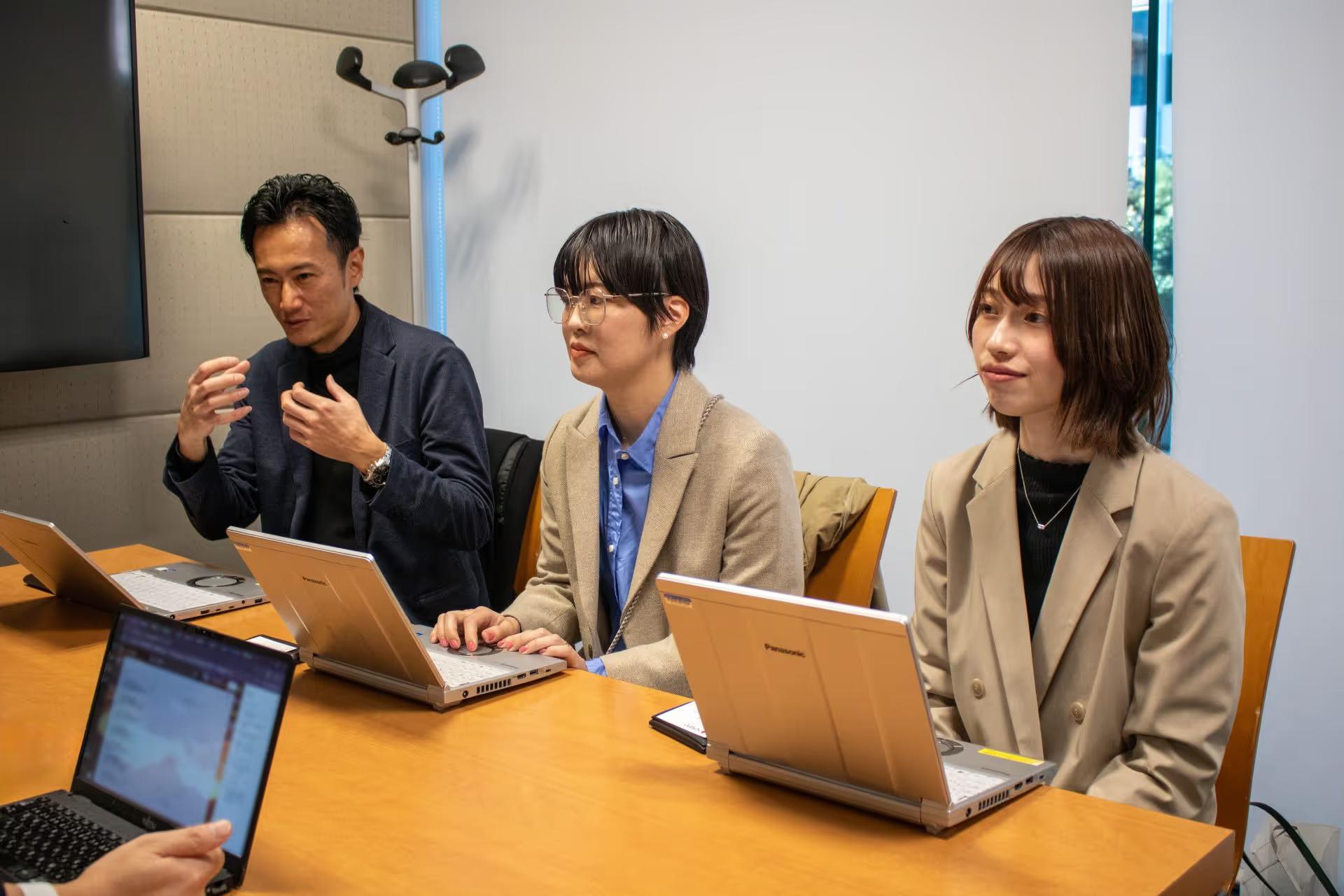
(From left) Yuichi Kojima, Senior Sales Specialist, wevnal Inc.; Misako Takada, “BOTCHAN Engagement” CS Leader; and Akari Kajiwara, CS
Takada:
Likewise, thank you very much for handling everything so smoothly. I truly appreciate it.
To be candid, in my experience, reviews with large corporations often take considerable time, and I was aware that, especially for insurance products, a careful process would be required. Even under those circumstances, you kept everything on schedule, and I am very grateful for that.
How was it from your side, Imai-san?
Mr. Imai
At first, we were concerned that introducing “BOTCHAN Engagement” might cause users who would previously have converted to drop off, negatively affecting our overall number of conversions.
However, when we actually analyzed the post-implementation data, we found no loss of conversions, and it became clear that the tool was making a solid contribution to improving CVR from paid media.
As a result, conversions via BOTCHAN Engagement increased to roughly three times the initial month’s level, ultimately generating more than 1,000 additional conversions. The initiative has drawn significant attention within the company, and we are now moving forward with plans to roll it out to other products and pages as well.
Kojima:
Thank you very much.
With the introduction of EFO, we would also like to further advance product integration.
How has your experience been since actually implementing BOTCHAN?
Mr. Suzuki
Even after implementation, I was impressed by how quickly the initiatives were improved.
By rapidly running the PDCA cycle and making daily refinements, Mr. Takada steadily began to deliver visible results.
In particular, in February the PVCVR reached a record high of 0.104%, and I am pleased that we were able to achieve our target of 0.1%. We are seeing the impact of our ongoing improvements and are confident that this will lead to further results.
In addition, while some companies provide only limited support after implementation, your company has continued to proactively propose improvements even after launch and has been executing initiatives quickly. Because you keep driving new initiatives one after another, we feel this is a level of support we have never experienced before.
Takada:
I’m glad to hear you say that.
We also believe that the real work begins after launch, and we place a strong emphasis on the speed of our PDCA cycle.
Mr. Imai
Thank you very much.
I’ve personally felt that I haven’t been running the PDCA cycle sufficiently lately… In fact, there are many aspects where I am learning from your company’s approach instead.
We also have a tendency to see things too much from an insurance company’s perspective, but each time you propose ideas such as, “How about presenting it this way?”, it prompts us to think from a viewpoint closer to that of the user. We often gain new insights, such as, “So there is also this kind of approach,” and we are very grateful for that.
Takada:
Thank you very much.
We place particular importance on the user’s perspective, and at the initial design stage we always seek input from multiple team members. Since I do not own a car myself, we make a point as a team to gather repeated feedback so that we are not constrained by preconceived notions, and we strive to create designs that are more closely aligned with our users.
Are you satisfied with our creative work and related materials?
Mr. Imai
Absolutely.
I also feel that the creative work is handled very quickly. In the field of web advertising, speed is critical, so we greatly appreciate how promptly you respond.
Furthermore, we believe that it is precisely because your company has accumulated extensive know-how that you are able to propose the most suitable best practices for our organization.
Takada:
Let me see.
I believe it is crucial that users can grasp the information they need at a glance. That perspective is common across all industries, so I apply that way of thinking in my work.
We are currently working together very closely, but once again, what kind of presence or role does BOTCHAN have for your company?
Mr. Suzuki
At the time of implementation, we were concerned that users who would previously have converted might instead drop off because of BOTCHAN Engagement.
However, after closely examining the data following the initiative, we found no such impact. On the contrary, we confirmed that it has clearly contributed to improving CVR from paid media.
In fact, conversions via BOTCHAN Engagement have increased to roughly three times the level of the first month, resulting in the acquisition of over 1,000 additional conversions. The results have been impressive enough to draw surprise within the company, and we are now moving forward with plans to leverage the tool for other products and pages as well.
Mr. Imai
In businesses that sell directly online, there is a challenge where running web ads quickly generates responses and builds up CVR, but the effect tends to weaken after several months or a year.
While there is an immediate impact, the difficulty lies in the need to keep doing it continuously.
In that respect, the one-year term of auto insurance policies remains unchanged, so we can also consider initiatives such as rerunning the scenario after one year. Although we have not tested this yet, I believe that BOTCHAN could be used not only to build up brand awareness, but also in the acquisition domain to implement similar initiatives. We look forward to further expansion going forward.

Takada:
I will continue to do my utmost to contribute to your company.
Please tell us what you expect from BOTCHAN and CS going forward.
Mr. Suzuki
Precisely because our initiatives to date have been highly successful, we now have strong expectations for further scalability going forward. We are considering various ways to leverage this, such as increasing the number of pages where banners are displayed and expanding into other product lines like fire insurance.
Among these, we would be grateful if you could continue to proactively provide concrete proposals such as, “If we add this initiative, conversions will improve even further.”
We look forward to your continued efforts to refine and optimize the measures at an astonishing speed, just as you have done so far, by rapidly cycling through the PDCA process.
Mr. Imai
Insurance often feels difficult to approach for users.
In particular, insurance is essentially “something that brings a negative back to zero,” and it does not have the kind of characteristics that make people excited to purchase it.
Precisely because of this, people feel that “it seems complicated” or “I don’t know if there’s any benefit for me,” and they end up dropping out partway through.
To prevent this kind of customer drop-off, we believe it would be ideal to leverage BOTCHAN’s products to build a mechanism that can intuitively communicate messages such as “it’s actually not that difficult” and “there are clear benefits for you.”
We would appreciate your continued support in helping us make insurance easier to understand.
Takada:
Thank you very much.
We believe that using LINE is not only about generating conversions, but also about providing an experience that makes users feel familiar with the service and want to continue using it. With that in mind, we will continue to focus on initiatives that effectively communicate our clients’ philosophies and brand characteristics.
Lastly, could you share a message for other companies facing similar challenges?
Mr. Suzuki
To begin with, I think the best approach is to feel free to consult with them.
As we actually implemented the solution ourselves and repeatedly verified the results, we came to appreciate its effectiveness. BOTCHAN is not just a tool; it is a framework that delivers results through continuous improvement.
If you are responsible for similar challenges at your company, I strongly encourage you to reach out for a consultation at least once.
Mr. Imai
BOTCHAN’s product is not only excellent in itself; a major attraction is that the front-line and customer success teams proactively propose improvements.
By articulating our own issues, we were also able to gain new insights. I recommend starting with a series of “wall‑bounce” style discussions to explore potential solutions to your challenges.
They also host webinars, so you can gather information there, and if you feel it aligns with your company’s issues, I encourage you to consult with them at least once.
Kojima, Takada, Kajiwara:
Thank you very much for your kind words.
Thank you for your valuable time today.
...
If you would like to confirm whether BOTCHAN can be implemented in your own company, or if you would like advice tailored to your situation, please feel free to contact us with your questions or inquiries.
A specialist consultant will respond.